



Repair guide
A Loose Deck Board Becomes a Projectile in a 75 mph Gust. Here’s What Sarasota Homeowners Should Fix Before August.
Got it — we will get back to you.
That deck board that flexes when you step on it. The rail post that wobbles when you lean against it. The fence panel that rattles every time someone walks past. None of it feels urgent in June.
In August, any of it can become a projectile.
Why June Is the Right Month for This
The Atlantic is quiet right now. No named storms are active in the Atlantic, Gulf, or Caribbean. That matters for two reasons: contractors have availability, and material lead times are normal. Once a named storm enters the Gulf, both of those change fast.
Hurricane season peaks August through October. That’s eight weeks from now. The quiet before July is when Sarasota and Bradenton homeowners typically call — contractors have openings, material lead times are normal, and you avoid the scramble that comes after a storm tracks toward the coast.
This year’s season forecast calls for 8–14 named storms. Below-normal in the broad sense, but below-normal doesn’t mean inactive, and SWFL’s exposure to Gulf-entry storms means a single storm can do real damage regardless of how many form in a season. National forecasters project 12 named storms and 5 hurricanes for 2026. The point isn’t to scare — it’s that the window to fix things on your schedule exists right now, and it won’t in September.
What to Actually Look At
Deck boards and rails. A cupped or cracked deck board isn’t just a tripping hazard — under storm-force wind, it’s an unsecured surface that can shear off and travel. The same applies to rail balusters that have backed off their fasteners, or a rail post that’s lost its connection to the rim joist. A 75 mph gust — Category 1 territory — applies enough lateral pressure to a standard deck to work loose boards completely free. They don’t stay in your yard.
What to check: boards with cupping, visible cracks along the grain, or fasteners that have backed out flush to the surface. Rail posts that move when you push them. Any board that’s started to separate at the end grain. These are the spots that fail first.
Pressure-treated 2×6×8 deck boards run approximately $12–16 each at Home Depot and Lowe’s. Deck screws — 3-inch, 5-lb box — run $18–22. For most homeowners, a half-day visit covers tightening existing hardware, replacing the boards that have gone past refinishing, and re-securing any rail posts with visible movement. We can give you a materials estimate on-site before anything gets ordered.
Fence panels and posts. Wood privacy fencing is among the most common failure points in a wind event. A 6-foot panel that’s already pulling away from the post doesn’t need a sustained 100 mph storm to fail. A 75 mph gust can send a loose 8-foot section across your yard, through a glass door, or into a neighbor’s property.
Walk your fence line this week. Look for: panels bowing outward, posts that rock when you push them, fasteners that have backed out, or any section where the bottom rail has separated from the post. These are fixable with new hardware and possibly one replacement post or panel — not a full fence tear-out.
Installed wood fence replacement runs $20–50 per linear foot in SWFL. Vinyl, which holds up better in Florida’s humidity and salt air, runs $29–65 per linear foot installed. Materials alone — pressure-treated 4×4 posts run about $18–24 each — keep a targeted repair well under what a full replacement would cost.
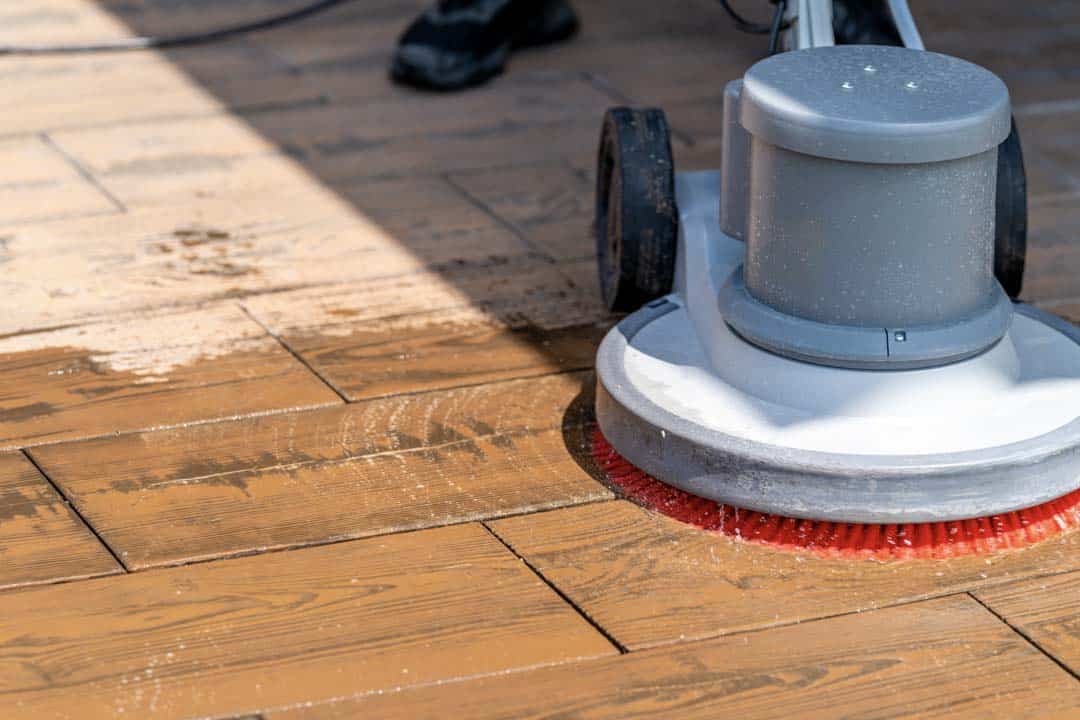
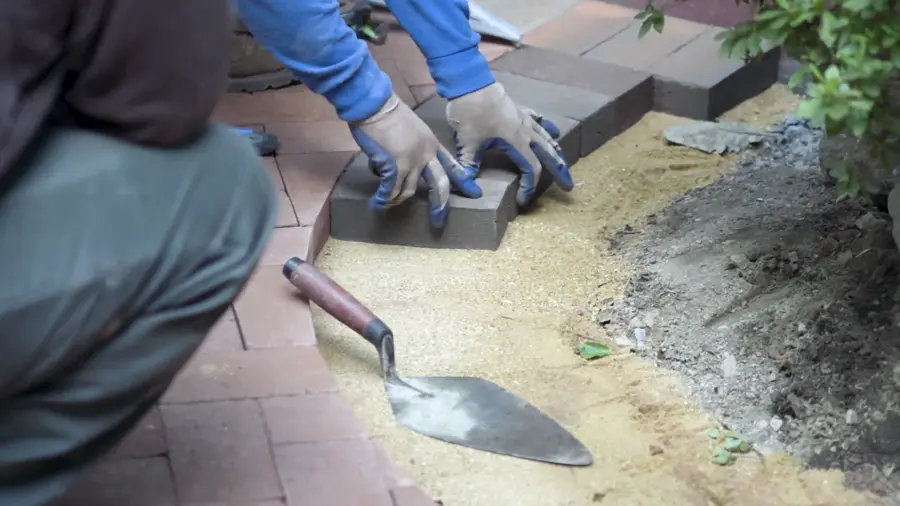
Pavers. Sunken or heaving pavers are a Lakewood Ranch and Bradenton staple — sandy soil, active irrigation systems, and tree roots all contribute. A single sunken paver near a walkway edge is a trip hazard any week of the year. But it’s also a water-collection point during heavy rain, and SWFL gets heavy rain from June through October whether or not a named storm comes near.
Minor paver repair — one to three stones reset and releveled — runs $250–600. Standard re-leveling of a larger area runs $600–1,500. The cost difference between catching it now (half-day job, likely no base repair needed) and catching it in October after months of rain erosion (full-day, possible base work) is real. The cause is almost always irrigation erosion, roots, or subsidence in the sandy fill — none of which fixes itself.
What HANDYS Does Here
HANDYS handles deck repair, fence repair, and paver work directly. These are handyman-scope tasks: replacing boards, re-securing rails, resetting pavers, swapping hardware. Our technicians are background-checked and insured, and we operate under Florida handyman scope-of-work guidelines.
For full fence replacement involving permits, we refer to licensed fence contractors in the Sarasota–Bradenton area. For deck structural work that requires an engineer, same thing. We’ll tell you clearly if your job needs a licensed contractor — that’s part of how we work.
The Actual Window Is Short
The Atlantic is calm today. June is the month when contractors have openings, material prices are stable, and you can schedule on your timeline rather than competing with three neighbors who all called the same morning after a storm watch was issued.
A loose deck board today is a half-hour fix. The same board in September, after it’s been through two tropical squalls and a named storm that tracked 150 miles offshore, might be a full section replacement — or a conversation with your homeowner’s insurance carrier.
Get a free quote at handys.now or call 941-207-6969 — we respond within 24 hours.
A vetted local pro prices the work before it starts.